Reisenberg 2.0: A Bold Choice for Designers Who Want to Stand Out
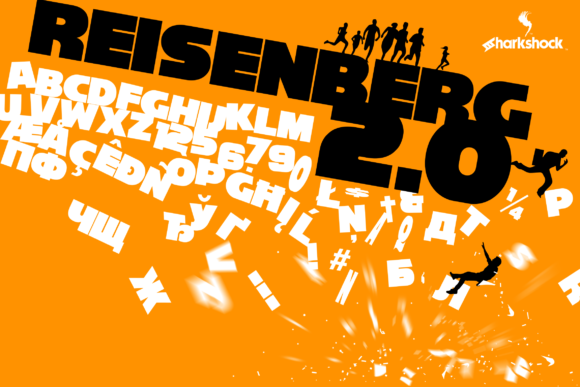
Reisenberg 2.0 is more than just an updated version of a classic typeface—it's a powerful tool for designers looking to make a statement. With its extra-thick strokes and tight spacing, this all-caps display font demands attention and can transform the visual impact of any project. Whether you're working on movie posters, sports logos, or media packaging, Reisenberg 2.0 offers a strong, memorable presence that can elevate your design work.
But like any design choice, using Reisenberg 2.0 effectively requires understanding its strengths and limitations. Many designers rush into using it without considering how it will perform in different contexts, leading to suboptimal results. Let’s explore what makes Reisenberg 2.0 unique and how to use it wisely.
What Makes Reisenberg 2.0 Stand Out?
Reisenberg 2.0 builds on the original with several key improvements. The glyphs have been slightly adjusted for better readability and consistency, and a new Outlines version offers more flexibility for creative applications. The font now includes more European accents, Cyrillic characters, and improved class kerning, making it more versatile for international projects.
The bold, heavy strokes of Reisenberg 2.0 are ideal for headlines, titles, and other elements where visual impact is crucial. However, its tight spacing means it may not be the best choice for long blocks of text. This is one of the most common mistakes when using the font—trying to apply it to body copy where legibility is important.
Common Mistakes and How to Avoid Them
One of the biggest errors designers make with Reisenberg 2.0 is assuming it works equally well in all scenarios. While it excels as a display font, it’s not designed for extended reading. Using it in paragraphs can lead to poor readability, especially at smaller sizes. Always test the font at the intended size and in the final layout before committing to it.
Another oversight is not checking the glyph map before downloading or purchasing. Some users assume the font includes all necessary characters, but if you’re working with non-English languages or special symbols, you need to verify support. For example, if you're designing for a Russian audience, you’ll want to confirm that Cyrillic characters are included.
Designers also sometimes overlook the importance of proper licensing. Reisenberg 2.0 may have different terms for personal versus commercial use, and failing to understand these can lead to legal issues. Always review the license agreement carefully before using the font in any project.
Practical Tips for Better Results
To get the most out of Reisenberg 2.0, start by using it in small doses. Pair it with a complementary font for body text to maintain balance. For example, use Reisenberg 2.0 for a headline and a clean sans-serif for the supporting copy. This contrast helps guide the viewer’s eye and improves overall readability.
When working with international audiences, take time to check the font’s character set. If you’re creating content for multiple languages, ensure that all required glyphs are available. You can usually find the glyph map on the font’s website or through the designer’s documentation.
Also, consider the context in which the font will be used. Reisenberg 2.0 is perfect for high-impact designs, but it may not fit well in minimalist or modern layouts. Think about the tone and message of your project before deciding to use it. A bold, aggressive font might not align with a sleek, professional brand image.
Realistic Examples and Better Approaches
Imagine you're designing a movie poster for a thriller. Reisenberg 2.0 would be an excellent choice for the title, adding drama and intensity. But if you use it for the tagline or cast information, the text could become hard to read. Instead, use a secondary font that complements the style of Reisenberg 2.0 while maintaining clarity.
Another example is a sports logo. Reisenberg 2.0’s strong presence can convey power and energy, making it ideal for team names or event titles. However, if the logo needs to be scalable for different sizes, ensure that the font remains legible at smaller dimensions. Testing it on various formats, such as business cards or digital banners, can help identify potential issues early.
What to Check Before Using Reisenberg 2.0
Before incorporating Reisenberg 2.0 into your design, ask yourself a few key questions. Is the font appropriate for the project’s purpose? Does it support the languages and characters needed? Are there any licensing restrictions that could affect your work? Answering these questions upfront can save time and prevent costly mistakes.
Additionally, take advantage of free trials or demo versions to see how the font performs in real-world scenarios. Many foundries offer sample files or online tools that let you preview the font in different settings. This hands-on approach can help you make a more informed decision.
Finally, don’t hesitate to reach out to the font’s community or support team. They can provide insights, troubleshooting tips, and recommendations based on their experience. Engaging with others who use Reisenberg 2.0 can also help you discover new ways to apply it creatively.