Bootcamp Font: Bold, Functional, and Full of Character
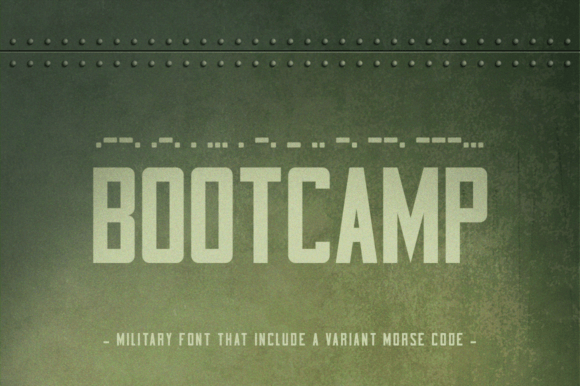
Bootcamp is more than just a font—it's a design statement. With its all-caps sans serif style inspired by the military lettering of World War I, it brings a sense of strength, clarity, and historical resonance to any project. Whether you're designing a logo, creating a poster, or crafting a brand identity, Bootcamp offers a unique visual language that commands attention and conveys authority.
What Makes Bootcamp Stand Out?
Bootcamp’s design is rooted in the clean, no-nonsense typography of the early 20th century. The font’s sharp edges, uniform stroke widths, and lack of serifs give it a modern yet rugged aesthetic. It’s ideal for projects that require a strong visual presence without sacrificing readability. Its boldness makes it perfect for headlines, titles, and any text that needs to be seen from a distance.
One of Bootcamp’s most distinctive features is its compatibility with a rough Morse code font. This combination creates a powerful visual contrast—where one font is clean and structured, the other adds texture and a sense of mystery. Together, they can evoke themes of communication, secrecy, or historical significance, making them a popular choice for creative projects, branding, and even educational materials.
Key Characteristics of Bootcamp
- Strong Visual Impact: The font’s bold, uppercase form ensures it stands out in any setting.
- High Readability: Despite its aggressive look, Bootcamp remains easy to read, especially at larger sizes.
- Historical Inspiration: Rooted in military typography, it carries a sense of discipline and purpose.
- Flexibility: Works well in both digital and print formats, from websites to signage.
Practical Applications of Bootcamp
Bootcamp isn’t just for aesthetics—it has real-world applications across various industries. For professionals, it can be a go-to font for presentations, reports, or marketing materials where clarity and impact matter. Entrepreneurs and business owners might use it for logos, packaging, or promotional content to create a memorable brand image.
In the creative field, designers often turn to Bootcamp for posters, album covers, or social media graphics. Its bold style pairs well with minimalist layouts, allowing it to take center stage without overwhelming the design. Educators and trainers might use it in infographics or classroom materials to emphasize key points and make information more engaging.
Bootcamp in Digital and Commercial Settings
On the web, Bootcamp can be used for headings, call-to-action buttons, or navigation menus. Its clean lines ensure it looks sharp on screens of all sizes. When paired with a rough Morse code font, it can add an extra layer of meaning—perfect for tech startups, security-related brands, or projects with a narrative element.
For commercial use, Bootcamp is ideal for signage, product labels, or advertising campaigns. Its strong appearance helps products stand out on shelves, while its historical roots can evoke a sense of trust and reliability. Brands looking to communicate strength, simplicity, or a connection to the past may find Bootcamp to be a valuable tool in their visual identity.
Why Choose Bootcamp Over Other Fonts?
While there are many bold sans serif fonts available, Bootcamp distinguishes itself through its unique blend of history and functionality. Unlike some fonts that prioritize style over usability, Bootcamp maintains a balance between visual appeal and practicality. It’s not just about looking good—it’s about working well in real-world scenarios.
For those who want to avoid generic or overused fonts, Bootcamp offers a fresh alternative. Its military-inspired design sets it apart from typical corporate fonts, giving it a distinct personality that can resonate with specific audiences. Whether you’re targeting a niche market or aiming for broad appeal, Bootcamp provides a versatile foundation for your design needs.
Real-World Examples of Bootcamp in Action
Consider a tech startup looking to build a brand that feels both innovative and grounded. Using Bootcamp for their logo and website headers could help them establish a tone of confidence and clarity. Pairing it with a rough Morse code font might add a subtle nod to cybersecurity or data encryption, reinforcing their expertise in the field.
Another example is a historical museum or educational institution. By using Bootcamp in exhibit labels or promotional materials, they can create a visual link to the past while maintaining a modern, accessible design. The font’s structure supports clear communication, ensuring that visitors can easily engage with the content.
How to Use Bootcamp Effectively
To get the most out of Bootcamp, consider the context in which it will be used. At larger sizes, it shines as a headline or title. When used in smaller sizes, it still retains its legibility, making it suitable for body text in certain situations. However, it’s best avoided for long paragraphs, as its all-caps style can be fatiguing to read over time.
When pairing Bootcamp with other fonts, look for complementary styles. A clean, modern sans serif can balance its ruggedness, while a vintage or distressed typeface can enhance its historical feel. Always test the font in different environments to ensure it meets your design goals and audience expectations.
Final Thoughts on Bootcamp
Bootcamp is more than just a font—it’s a design tool with a rich history and a wide range of applications. Its bold, no-nonsense style makes it ideal for projects that need to convey strength, clarity, and purpose. Whether you’re a designer, marketer, educator, or business owner, Bootcamp offers a powerful way to communicate your message with impact.
By understanding its strengths and limitations, you can use Bootcamp to elevate your work and create designs that stand out. With the right approach, it can become a key element of your visual identity, helping you connect with your audience in a meaningful and memorable way.