Dirty Princess: A Bold, Edgy Font for Modern Design
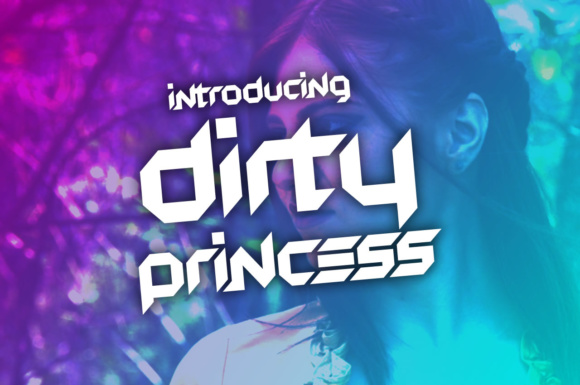
Dirty Princess is a distinctive font that stands out in the world of digital typography. Known for its angular, edgy, and rebellious aesthetic, it's often used in dubstep and electronic music culture, where visual style matches the intensity of the sound. This font isn't just about looking tough—it's about making a statement. Its sharp lines and irregular shapes give it a raw, unpolished feel that can add character to any design project.
While many fonts aim for clarity and readability, Dirty Princess takes a different approach. It embraces imperfection, using jagged edges and uneven spacing to create a sense of movement and energy. This makes it ideal for projects that want to convey a sense of chaos, rebellion, or high-energy creativity. However, this same quality can also make it less suitable for formal or traditional applications.
What Makes Dirty Princess Unique?
Unlike standard serif or sans-serif fonts, Dirty Princess doesn't follow conventional typographic rules. Its design is more abstract, with each letter shaped to look like it's been hastily drawn or distorted. This gives it a hand-crafted feel that can be both appealing and challenging depending on the context.
The font's name itself suggests a certain attitude—something that's not afraid to break the mold. It's often associated with subcultures that value individuality and nonconformity, such as punk, grunge, or alternative music scenes. This cultural connection can be powerful when designing for those audiences, but it may not resonate with everyone.
One of the key features of Dirty Princess is its versatility in different formats. Whether used in print, digital media, or motion graphics, it can adapt to various styles while maintaining its core identity. However, its effectiveness depends heavily on how it's implemented. Poorly designed layouts can make the font look messy or unreadable, which is why careful consideration is needed when using it.
Comparing Dirty Princess to Similar Fonts
When evaluating fonts, it's important to consider how they compare to others in the same category. While Dirty Princess has a unique style, there are other fonts that offer similar characteristics. For example, some experimental or graffiti-style fonts share its edgy appearance, but they may differ in terms of legibility and usability.
Fonts like Bad Script or Rock Salt are often used for casual or creative projects, but they tend to be more readable than Dirty Princess. They also have a more playful tone, which might not align with the aggressive, angular look of Dirty Princess. On the other hand, fonts like Bebas Neue or Exo 2 offer clean, modern designs that are more suitable for professional settings.
In the realm of dubstep and electronic music, Dirty Princess is often paired with other bold, futuristic fonts. These combinations can create a cohesive visual identity that reflects the genre's energetic and unconventional nature. However, mixing too many similar fonts can lead to visual clutter, so it's important to maintain balance.
Strengths and Limitations of Dirty Princess
One of the main strengths of Dirty Princess is its ability to capture attention. Its unconventional design makes it stand out in a crowded visual landscape, which can be beneficial for branding, marketing, or artistic expression. It's particularly effective in environments where uniqueness and impact are valued over subtlety.
Another advantage is its flexibility in different contexts. While it's commonly used in music-related projects, it can also work well in fashion, gaming, or advertising if the message aligns with its aesthetic. This adaptability makes it a valuable tool for designers looking to experiment with new styles.
However, there are limitations to consider. The font's irregular structure can make it difficult to read at smaller sizes or in long paragraphs. This means it's best suited for headlines, logos, or short text elements rather than body copy. Additionally, its association with specific subcultures may limit its appeal to broader audiences.
When to Choose Dirty Princess
Dirty Princess is an excellent choice when the goal is to create a strong visual impact. If you're designing for a niche audience that values edginess and nonconformity, this font can help reinforce your message. It works well for album covers, concert posters, or social media content that needs to grab attention quickly.
It's also a good option for projects that require a sense of urgency or intensity. The font's angular shapes and rough texture can evoke feelings of power, rebellion, or excitement. This makes it ideal for campaigns targeting younger demographics or industries that thrive on innovation and risk-taking.
For example, a dubstep music label might use Dirty Princess to create a logo that feels authentic and in line with the genre's ethos. Similarly, a streetwear brand could incorporate it into their branding to reflect a gritty, urban vibe.
When to Consider Alternatives
If readability or broad appeal is a priority, alternatives to Dirty Princess may be more appropriate. Fonts like Impact, Franklin Gothic, or Helvetica Neue offer clearer, more structured designs that are easier to read across different mediums. These options are better suited for corporate communications, editorial content, or user interfaces where clarity is essential.
For projects that still want a bit of edge without sacrificing usability, there are hybrid fonts that combine boldness with legibility. Fonts like Quicksand or Raleway provide a modern, clean look while allowing for creative expression. These can be a good middle ground for designers who want to maintain professionalism while adding visual interest.
Additionally, if the intended audience is more traditional or conservative, using a font like Dirty Princess could come off as unprofessional. In such cases, sticking to more conventional typefaces would be a safer choice.
Practical Tips for Using Dirty Princess
To get the most out of Dirty Princess, start by testing it in different contexts. Experiment with size, color, and spacing to see how it performs in various scenarios. This will help you determine whether it's suitable for your specific project.
Consider pairing it with complementary fonts to create contrast and balance. For instance, using a clean, minimalist font alongside Dirty Princess can help offset its rough edges and make the overall design more cohesive.
Also, pay attention to the platform where the font will be used. Some websites or apps may not support custom fonts, which could affect how it displays. Always check compatibility before finalizing your design.
Finally, remember that less is often more. While Dirty Princess can add a lot of visual flair, overusing it can dilute its impact. Use it strategically to highlight key elements rather than filling every space with the same style.