Diagon: A Bold Typographic Statement for Modern Designers
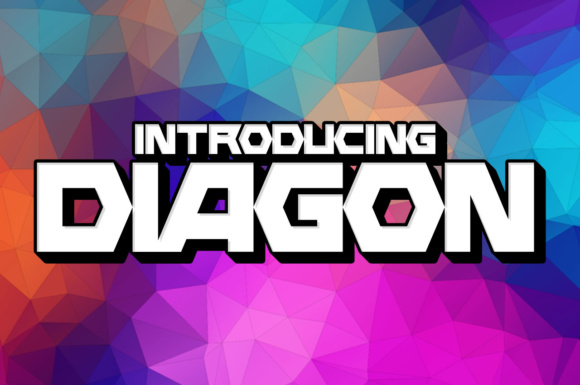
Diagon is a chunky, sharp font that commands attention with its distinctive visual identity. Designed for impact, it’s not just a typeface—it’s a design decision. Whether you're working on branding, editorial layouts, or digital interfaces, Diagon offers a powerful alternative to more conventional fonts. Its boldness and clarity make it a standout choice for projects where visibility and personality matter.
At its core, Diagon is built on geometric principles, combining clean lines with a strong, angular structure. This foundation gives it a modern aesthetic while maintaining readability across different sizes and mediums. The font’s weight and contrast are carefully balanced to ensure legibility without sacrificing visual strength. It’s ideal for headings, logos, and display text where a strong typographic presence is needed.
Key Characteristics of Diagon
One of the most notable features of Diagon is its consistent stroke width and sharp corners. Unlike many sans-serif fonts that vary in thickness, Diagon maintains a uniform appearance, which contributes to its clean, structured look. This consistency makes it particularly effective in environments where visual harmony is important, such as corporate branding or user interface design.
The font also includes a range of weights and styles, offering flexibility for different applications. From light to heavy, each variant retains the core characteristics that define Diagon, ensuring a cohesive typographic system. This adaptability makes it suitable for both print and digital formats, from large-scale billboards to mobile app interfaces.
Another key aspect of Diagon is its versatility in terms of language support. While it was initially designed for Latin scripts, many versions include extended character sets, making it usable in multilingual contexts. This feature is especially valuable for global brands or international publications that require a unified visual identity across multiple languages.
Strengths and Practical Value
Diagon excels in scenarios where clarity and impact are paramount. Its sharp edges and bold strokes make it highly legible at larger sizes, which is why it’s often used in signage, posters, and editorial headlines. The font’s high contrast between thick and thin elements enhances readability, even when used in complex layouts or against busy backgrounds.
From a design perspective, Diagon offers a unique balance between modernity and approachability. It avoids the overly rigid feel of some geometric sans-serifs by incorporating subtle curves and rounded elements. This blend of structure and softness makes it more adaptable to a wide range of design aesthetics, from tech startups to creative agencies.
When considering long-term use, Diagon proves to be a reliable choice. Its clean design ensures that it remains relevant over time, avoiding the risk of looking dated or outdated. This longevity is a significant advantage for businesses and designers who want a font that can evolve with their brand or project needs.
Real-World Applications
In the realm of branding, Diagon can serve as a strong foundation for a company’s visual identity. Its bold presence makes it ideal for logos, especially for industries that value innovation and confidence—such as technology, finance, or creative services. When paired with complementary typefaces, it can create a dynamic and professional look that resonates with target audiences.
For editorial design, Diagon works well as a headline font, adding visual interest without overwhelming the reader. Its clarity ensures that it doesn’t distract from the content, while its distinct style helps differentiate the publication from competitors. In magazines, newspapers, or digital articles, it can be used to highlight key sections or emphasize important information.
In user interface (UI) design, Diagon can be employed for buttons, navigation menus, or call-to-action elements. Its sharp geometry aligns well with modern UI trends, providing a sense of precision and control. However, due to its weight, it may not be the best choice for body text in digital interfaces, where smaller sizes and lower contrast are typically preferred.
Who Benefits Most from Diagon?
Professionals in creative fields—such as graphic designers, art directors, and brand strategists—will find Diagon to be a valuable addition to their toolkit. Its bold nature allows for quick visual communication, making it ideal for presentations, mood boards, or client proposals. For entrepreneurs and small business owners, it offers an accessible way to elevate their brand’s typography without the need for custom design work.
Marketers and advertisers will appreciate Diagon’s ability to capture attention in a crowded space. Whether in print ads, social media graphics, or digital banners, its strong visual presence can help messages stand out. It’s particularly useful for campaigns targeting younger, tech-savvy audiences who respond well to modern, confident aesthetics.
Content creators, including bloggers, YouTubers, and podcasters, can use Diagon to enhance their visual branding. It adds a professional touch to thumbnails, covers, and promotional materials, helping to establish a cohesive and memorable identity. For educators and publishers, it provides a clear and impactful way to present information, especially in educational materials or infographics.
Considerations and Limitations
While Diagon is a strong choice for display purposes, it may not be the best fit for all projects. Its weight and sharpness can make it less suitable for long-form text, where readability at smaller sizes is crucial. Designers should consider pairing it with a more subdued font for body copy to maintain balance and avoid visual fatigue.
Additionally, the font’s boldness may not align with every brand’s personality. Companies aiming for a minimalist or organic look might find Diagon too aggressive or industrial. It’s important to evaluate how the font fits within the broader design strategy and whether it supports the intended message and audience perception.
Finally, users should ensure they have the appropriate licensing for commercial use. Depending on the version of Diagon, there may be restrictions on redistribution, modification, or integration into certain platforms. Checking the license terms before deployment is essential to avoid legal complications.
Final Thoughts
Diagon is more than just a font—it’s a statement. Its combination of sharp angles, bold weight, and clean design makes it a compelling choice for designers seeking a strong typographic identity. Whether used in branding, editorial work, or digital interfaces, it offers a unique balance of clarity and impact that can elevate any project.
For those looking to make a visual impression, Diagon is worth exploring. Its versatility, readability, and modern aesthetic provide a solid foundation for a wide range of design needs. By understanding its strengths and limitations, professionals can effectively integrate Diagon into their workflows and create more engaging, visually striking designs.