Romeo Juliet Font Duo: A Strategic Choice for Creative and Professional Projects
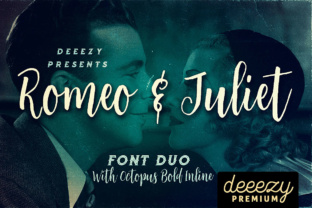
The Romeo Juliet Font Duo offers a powerful combination of artistic expression and practical utility, making it an ideal choice for professionals and creatives seeking to elevate their visual communication. This font duo consists of two distinct styles: a hand-drawn brush script with multi-language support and stylistic alternates, and a bold display font with a grunge aesthetic. Together, they provide a versatile toolkit for branding, design, and content creation.
Understanding the Components of Romeo Juliet Font Duo
The first font in the Romeo Juliet Font Duo is a hand-drawn brush script that exudes personality and fluidity. Its unique style makes it perfect for logos, headlines, and any project where a personal touch is desired. With multi-language support, this font can be used across diverse markets, ensuring consistency in global communication. The availability of stylistic alternates and swash variations allows for greater customization, enabling designers to craft visually engaging compositions without repeating the same look.
The second font is a bold display typeface with a grunge edge. It lacks multi-language support but compensates with its strong visual presence. This font is ideal for creating impact in posters, advertisements, and other high-visibility applications. Its raw, edgy aesthetic can convey a sense of rebellion, authenticity, or nostalgia, depending on the context in which it's used.
Strategic Use of Romeo Juliet Font Duo in Branding
Branding is one of the most critical areas where the Romeo Juliet Font Duo can make a significant difference. The hand-drawn brush script adds a human element to a brand’s identity, making it more relatable and memorable. When paired with the bold grunge font, it creates a dynamic contrast that can help a brand stand out in a crowded market.
For example, a boutique clothing line targeting young adults might use the brush script for its logo and the grunge font for product labels or packaging. This combination conveys both creativity and a sense of individuality, aligning with the target audience’s values. Similarly, a tech startup could use the brush script for its website headers and the grunge font for call-to-action buttons, balancing professionalism with a touch of flair.
Enhancing Communication Through Visual Storytelling
Effective communication goes beyond words—it involves visual storytelling. The Romeo Juliet Font Duo provides tools to enhance this process. The brush script font can be used to create engaging social media posts, email newsletters, or blog headers that capture attention and evoke emotion. Its fluid lines and natural feel make it well-suited for narratives that require a personal connection.
The grunge font, on the other hand, can be used to emphasize key messages or add a dramatic flair to presentations, infographics, or promotional materials. When used strategically, it can draw attention to important points without overwhelming the viewer. For instance, a marketing campaign focused on sustainability might use the grunge font to highlight eco-friendly initiatives, reinforcing the message through visual contrast.
Planning and Implementation: Key Considerations
Before incorporating the Romeo Juliet Font Duo into a project, it’s essential to consider the goals and audience. The hand-drawn brush script is best suited for projects that require a personal, artistic touch, while the grunge font works well for bold, attention-grabbing designs. Understanding the purpose of each font will help ensure that they are used effectively.
Additionally, designers should test the fonts in different contexts to see how they perform. For example, the brush script may look great in a headline but could be difficult to read in body text. Similarly, the grunge font may work well in a poster but might not be appropriate for a formal document. By experimenting with various applications, users can determine the best way to leverage the Romeo Juliet Font Duo.
Another consideration is the balance between the two fonts. Overusing either one can lead to visual clutter or a lack of cohesion. A good approach is to use the brush script for primary elements like headings and the grunge font for secondary elements like subheadings or accents. This creates a harmonious design that is both visually appealing and easy to navigate.
Practical Examples and Use Cases
The Romeo Juliet Font Duo can be applied in a variety of real-world scenarios. For instance, a wedding planner might use the brush script for invitations and the grunge font for signage at the event, creating a cohesive yet distinctive theme. A music festival organizer could use the brush script for promotional posters and the grunge font for ticket designs, adding a sense of energy and excitement.
In educational settings, the brush script could be used for course titles or student projects, while the grunge font might be reserved for motivational quotes or classroom decorations. This combination can help create a visually stimulating environment that supports learning and creativity.
For small businesses, the Romeo Juliet Font Duo can be a cost-effective solution for branding. A local café, for example, could use the brush script for its logo and the grunge font for menu designs, giving the space a unique and inviting atmosphere. This approach not only enhances the visual appeal but also reinforces the brand’s identity.
Long-Term Value and Strategic Benefits
Investing in the Romeo Juliet Font Duo can yield long-term benefits by supporting consistent branding and visual identity. As a business grows, maintaining a cohesive look across all platforms becomes increasingly important. The versatility of the Romeo Juliet Font Duo ensures that it can adapt to changing needs without requiring a complete redesign.
Moreover, the strategic use of these fonts can improve customer experience. A well-designed logo or marketing material can leave a lasting impression, increasing brand recognition and loyalty. By choosing fonts that align with the brand’s values and target audience, businesses can create a stronger emotional connection with their customers.
From a productivity standpoint, the Romeo Juliet Font Duo can streamline the design process. Its multi-language support and stylistic alternates reduce the need for additional fonts, saving time and resources. This efficiency can be particularly valuable for freelancers and small teams working on multiple projects simultaneously.
Common Pitfalls and How to Avoid Them
While the Romeo Juliet Font Duo offers many advantages, it’s important to avoid common pitfalls that can undermine its effectiveness. One such mistake is using the fonts without a clear purpose. Randomly applying the brush script or grunge font can result in a chaotic design that fails to communicate the intended message.
Another risk is overuse. Relying too heavily on either font can diminish its impact and make the design appear unbalanced. To prevent this, designers should focus on using the fonts intentionally, ensuring that they complement rather than compete with other elements of the design.
Finally, it’s crucial to consider accessibility. Some users may find certain fonts difficult to read, especially if they have visual impairments. Testing the fonts in different formats and sizes can help identify potential issues and ensure that the design is inclusive and effective for all audiences.
Conclusion: Making Informed Decisions with Romeo Juliet Font Duo
The Romeo Juliet Font Duo is more than just a set of fonts—it’s a strategic tool that can enhance communication, branding, and creative expression. By understanding its components, considering its applications, and implementing it thoughtfully, users can unlock its full potential. Whether you’re a designer, marketer, or business owner, the Romeo Juliet Font Duo offers a flexible and impactful way to elevate your work and achieve better results.