Nasalization: A Bold Typographic Statement for the Modern Age
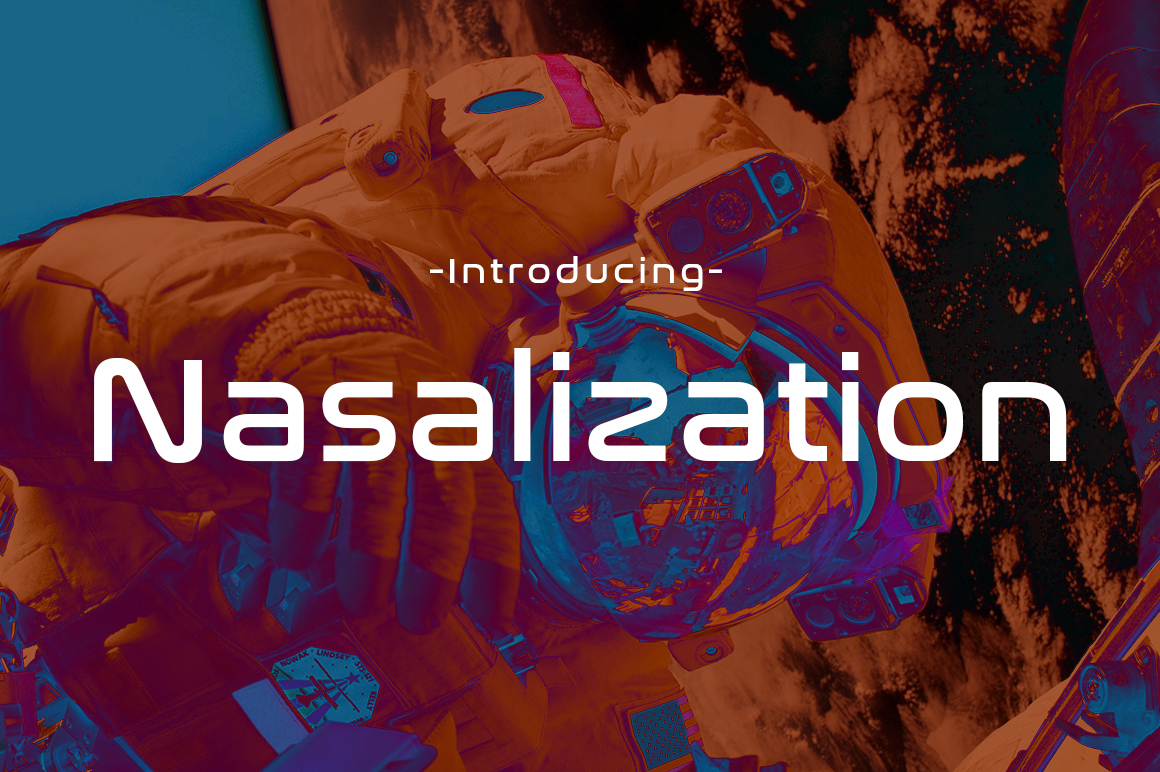
Typography is more than just a visual choice; it's a language of its own. Among the many typefaces that have emerged in recent years, Nasalization stands out as a striking example of how design can reflect both heritage and innovation. This ultramodern sans serif font draws inspiration from the 1975 NASA logo, yet it brings a fresh, contemporary edge that resonates with today’s creative and professional communities.
Developed by Typodermic Fonts, Nasalization is not just a font—it’s a statement. Its clean lines and futuristic aesthetic make it ideal for projects that demand a sense of forward-thinking and space-age sophistication. Whether you're designing a website, creating a brand identity, or working on a digital project, Nasalization offers a unique visual identity that can elevate your work.
The Origins of Nasalization
The roots of Nasalization trace back to the iconic NASA logo from 1975, a symbol that has come to represent exploration, innovation, and the pursuit of knowledge. The font’s design echoes the boldness of that era while incorporating modern typographic sensibilities. This blend of past and present makes Nasalization a versatile choice for designers looking to bridge traditional and contemporary aesthetics.
Unlike many fonts that aim for minimalism, Nasalization embraces a slightly more dramatic structure. Its uppercase letters are wide and confident, while the lowercase characters maintain a balanced proportion. This contrast gives the typeface a dynamic feel that can be both eye-catching and readable.
Key Characteristics of Nasalization
One of the most notable features of Nasalization is its strong, geometric form. The font’s letterforms are designed with a sense of movement, giving it a kinetic energy that sets it apart from more static typefaces. This characteristic makes it particularly effective for headlines, titles, and other display purposes where visual impact is essential.
Another defining trait of Nasalization is its versatility. While it excels as a display font, it also works well in smaller sizes for body text when used thoughtfully. Its legibility at various sizes ensures that it can be applied across different mediums, from print to digital screens.
The font also includes a range of weights and styles, allowing designers to experiment with hierarchy and emphasis. Whether you’re creating a bold headline or a subtle subheading, Nasalization provides the flexibility needed to achieve the desired effect.
Practical Applications of Nasalization
Designers and developers often turn to Nasalization for projects that require a futuristic or high-tech feel. It’s commonly used in branding for tech startups, science-related content, and creative industries that value a modern aesthetic. Its association with space and innovation makes it a natural fit for these contexts.
In web design, Nasalization can be used to create visually engaging landing pages, product showcases, and interactive elements. Its bold appearance helps draw attention without overwhelming the viewer. When paired with complementary typefaces, it can add depth and contrast to a design system.
For print media, Nasalization is ideal for posters, banners, and promotional materials that need to stand out. Its clean lines and strong presence make it suitable for both large-scale and small-format designs. Whether you're printing a brochure or a business card, Nasalization can help convey a message with clarity and confidence.
Case Studies and Real-World Examples
Several brands have successfully incorporated Nasalization into their visual identities. One example is a tech startup that used the font for its website header, creating a sleek and modern look that aligns with its mission. The font’s futuristic style helped reinforce the company’s image as an innovator in the industry.
Another instance involves a digital agency that used Nasalization for a client’s marketing campaign. By pairing the font with a minimalist color palette, they were able to create a cohesive and impactful design that captured the audience’s attention. The result was a campaign that stood out in a competitive market.
Considerations for Using Nasalization
While Nasalization is a powerful tool, it’s important to use it strategically. Because of its bold and distinctive style, it may not be suitable for every project. Overuse or improper pairing can lead to visual clutter, which can detract from the overall design.
Designers should also consider the context in which the font will be used. For example, while it works well in digital environments, it may require adjustments for print to ensure optimal readability. Testing the font in different formats and sizes can help identify any potential issues before finalizing a design.
Additionally, understanding the target audience is crucial. A font like Nasalization may resonate more with younger, tech-savvy audiences than with more traditional or conservative groups. Tailoring the use of the font to the intended audience can enhance its effectiveness and relevance.
Why Choose Nasalization?
Nasalization offers more than just a unique visual style—it provides a way to communicate a specific tone and message. Its connection to the NASA logo adds a layer of historical significance, making it a meaningful choice for projects that emphasize progress, discovery, or innovation.
For professionals in creative fields, Nasalization can serve as a valuable asset in their design toolkit. Its combination of style, functionality, and character makes it a compelling option for a wide range of applications. Whether you're working on a personal project or a corporate initiative, Nasalization can help you make a lasting impression.
As typography continues to evolve, fonts like Nasalization demonstrate how design can bridge the gap between past and future. By embracing this typeface, designers can create work that feels both familiar and forward-thinking, offering a fresh perspective in an ever-changing landscape.