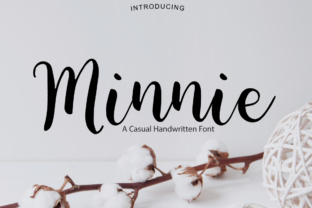
Minnie: A Versatile Font for Creative Expression
When it comes to design, the right font can make all the difference. Minnie is a casual, hand-drawn font that brings a unique and personal touch to any project. With its many letter variations, it allows for endless customization, making it ideal for those who want to stand out in a crowd of standard typefaces.
Why Minnie Stands Out
Minnie isn't just another font—it's a tool that empowers creativity. Its loose, flowing style mimics handwritten text, giving designs a warm, approachable feel. Whether you're working on a logo, a blog post, or a wedding invitation, Minnie adds a personal flair that other fonts simply can't match.
Unlike more rigid typefaces, Minnie offers multiple versions of each letter. This means you can mix and match characters to create something truly one-of-a-kind. It’s perfect for designers who want to add a human touch to their work without sacrificing clarity or readability.
Real-World Applications of Minnie
From weddings to branding, Minnie has found its way into a wide range of projects. Let’s explore some of the most common and practical uses.
Wedding Invitations
Weddings are all about personalization, and Minnie is a favorite among couples looking for a unique, elegant touch. Instead of using a traditional serif or sans-serif font, many opt for Minnie to give their invitations a soft, romantic feel. The font’s variations allow for custom lettering that feels handcrafted, making each invitation feel special.
Logo Design
For small businesses or independent brands, a distinctive logo is essential. Minnie can be used to create logos that feel authentic and memorable. Its casual nature works well for creative industries like fashion, food, or art, where a more relaxed aesthetic is preferred. A logo with Minnie can convey approachability and personality, helping a brand connect with its audience on a deeper level.
Blogs and Content Creation
Bloggers and content creators often look for ways to make their work stand out. Minnie can be used in headlines, captions, or even as a secondary font in body text to add visual interest. It’s especially effective when paired with a simpler font, creating a balanced yet dynamic layout. For example, a travel blog might use Minnie for section titles to give the site a more personal, storytelling vibe.
Book Covers and Publications
Authors and publishers sometimes turn to Minnie for book covers, especially in genres that benefit from a more informal or artistic feel. It works well for fiction, poetry, or self-help books that aim to feel accessible rather than formal. The font’s versatility also makes it suitable for both digital and print formats, ensuring it looks great in any medium.
Who Benefits from Using Minnie?
Minnie isn’t just for designers—its appeal spans across various professions and hobbies. Here’s how different users might find value in it:
- Entrepreneurs: Startups and small businesses can use Minnie to create a brand identity that feels genuine and relatable.
- Marketers: Social media posts, ads, and promotional materials can benefit from Minnie’s friendly, engaging look.
- Freelancers: Graphic designers, illustrators, and copywriters often use Minnie to add a personal touch to their client work.
- Educators: Teachers and instructional designers may use Minnie for lesson plans, presentations, or classroom materials that feel more approachable.
- Hobbyists: DIY enthusiasts and crafters love Minnie for handmade projects like cards, scrapbooks, or custom stationery.
Considerations Before Using Minnie
While Minnie is highly versatile, there are a few things to keep in mind before incorporating it into your work:
- Readability: While Minnie is visually appealing, it’s important to ensure it remains legible, especially in larger blocks of text. Use it as a decorative element rather than the main body font.
- Consistency: Since Minnie has multiple letter variations, it’s essential to maintain a cohesive look throughout your design. Choose a set of letters that work well together and stick with them.
- License and Usage Rights: Make sure you understand the licensing terms before using Minnie for commercial projects. Some fonts have restrictions on resale or redistribution.
- Font Pairing: Minnie pairs best with clean, simple fonts that don’t compete with its style. Experiment with combinations to find what works best for your project.
How Minnie Enhances Design Work
Using Minnie isn’t just about aesthetics—it’s about creating an emotional connection. In a world where so much is digital and automated, a font like Minnie brings back a sense of humanity. It’s ideal for projects that aim to feel personal, whether it’s a birthday card, a business sign, or a website header.
Imagine a local café using Minnie for its menu board. The font gives the space a cozy, homey feel that draws customers in. Or consider a nonprofit organization using Minnie in a campaign poster to evoke warmth and trust. These real-world applications show how a simple choice in typography can have a meaningful impact.
Final Thoughts on Minnie
Minnie is more than just a font—it’s a creative tool that helps users express themselves in a unique and personal way. Whether you’re designing a logo, writing a blog, or planning a wedding, Minnie offers a fresh alternative to standard typefaces. Its flexibility, charm, and variety make it a go-to choice for anyone looking to add a little extra flair to their work.
By understanding where and how to use Minnie effectively, you can elevate your designs and make them stand out in a crowded digital landscape. So next time you’re looking for a font that feels both stylish and authentic, consider giving Minnie a try.