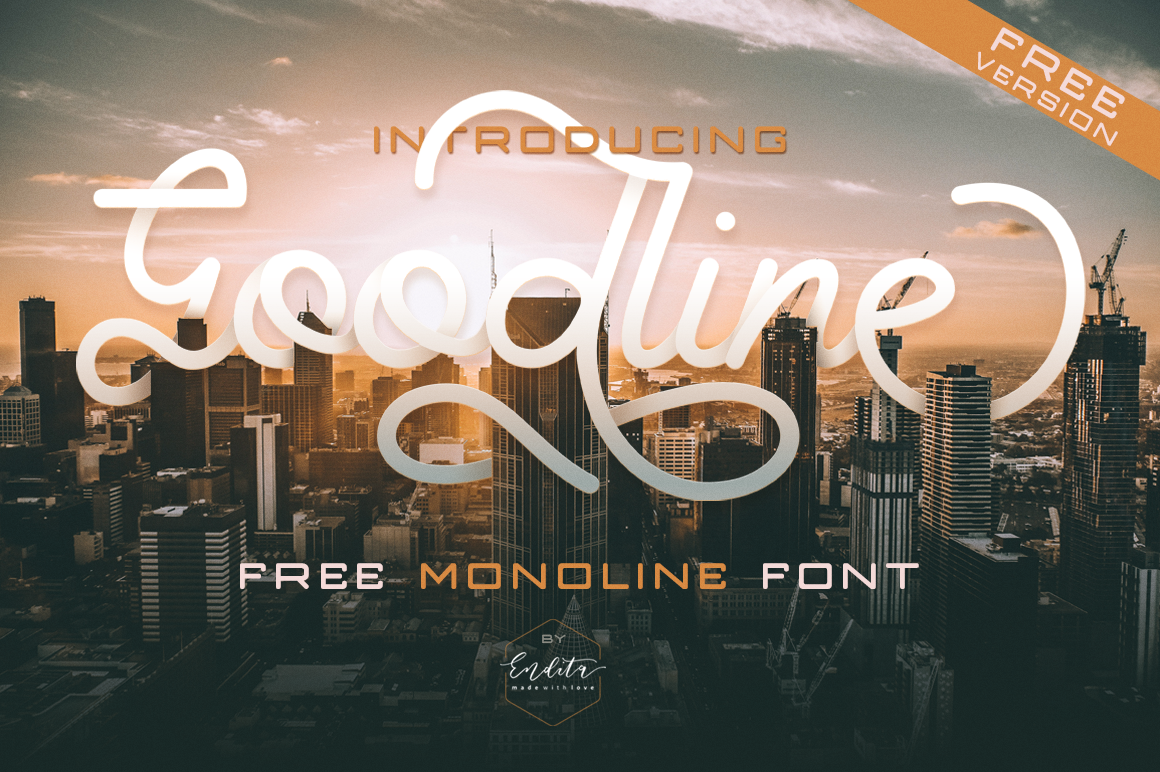
Goodline Font: A Modern Touch for Creative Designs
Goodline Font is a sleek, monoline typeface that brings a sense of movement and grace to any design. Its simplicity makes it incredibly versatile, yet it never feels plain. Whether you're working on a logo, a headline, or a branding project, Goodline offers a clean and modern aesthetic that can elevate your work.
Designed with a focus on clarity and elegance, Goodline is ideal for situations where readability and visual appeal go hand in hand. It’s not just a font—it’s a tool that can help you express ideas with precision and style.
When to Use Goodline Font
Goodline Font shines in scenarios where a bold yet refined look is needed. For example, in digital marketing, it can be used for website headers, social media posts, or email subject lines. Its smooth curves and balanced structure make it easy on the eyes, even when used in large sizes.
In print design, Goodline works well for magazine headlines, posters, or packaging. Its monoline style gives it a minimalist feel that pairs nicely with other design elements without overpowering them. It's also great for creating a cohesive brand identity across different mediums.
Goodline in Different Industries
Graphic designers often turn to Goodline when they need a font that’s both professional and approachable. It’s perfect for branding projects that aim to convey sophistication without being too rigid. For instance, a boutique clothing line might use Goodline for its logo to give a sense of timeless style and modern flair.
Web developers appreciate Goodline for its compatibility with responsive design. It scales well on different screen sizes and maintains its visual integrity, making it a reliable choice for websites that prioritize user experience. When paired with a neutral background, Goodline can create a calm and inviting atmosphere.
Event planners might use Goodline for invitations, banners, or signage. Its legibility ensures that details like dates, locations, and event names are easy to read, while its elegant appearance adds a touch of class. Whether it's a wedding, corporate event, or art exhibition, Goodline helps set the tone.
Who Benefits from Goodline Font?
Freelancers and small business owners often rely on Goodline to create standout visuals without the need for complex design tools. It’s a free resource that offers high-quality typography, making it accessible to those who may not have the budget for premium fonts. This accessibility is especially valuable for startups or independent creators looking to build a strong visual presence.
Students and educators can also find value in Goodline. It’s an excellent tool for presentations, research papers, or classroom materials where a clean and professional look is essential. Its versatility allows it to fit into various academic contexts, from science reports to creative writing assignments.
Content creators, including bloggers and YouTubers, can use Goodline to enhance their visual content. Whether it's a video thumbnail, a blog title, or a social media graphic, Goodline adds a polished finish that grabs attention and communicates professionalism.
Practical Considerations When Using Goodline
Before incorporating Goodline into your project, consider the context in which it will be used. While it’s highly readable, it may not be the best choice for long blocks of text. Instead, use it for headings, titles, or short phrases where its visual impact can shine.
It’s also important to check the licensing terms before using Goodline in commercial projects. Although it’s available as a free download, some restrictions may apply depending on the source. Always verify the license to avoid any legal issues down the line.
When pairing Goodline with other fonts, choose complementary styles that don’t clash. A sans-serif font like Open Sans or Lato can provide a nice contrast while maintaining a cohesive look. Avoid overly decorative fonts that might distract from the main message.
Strengths and Limitations of Goodline
One of Goodline’s greatest strengths is its ability to blend simplicity with elegance. Its consistent stroke width and flowing curves make it adaptable to a wide range of design needs. It’s particularly effective in minimalist designs where less is more.
However, because of its monoline structure, Goodline may lack the visual interest that some users expect from a display font. In cases where a more dramatic or unique look is required, alternative fonts might be more suitable. That said, Goodline’s understated charm can be a powerful asset when used thoughtfully.
Another consideration is the availability of different weights and styles. While some fonts offer multiple variations, Goodline may only come in a limited set. This can affect how it’s used in larger design projects, so it’s worth checking what options are available before committing to it.
Real-World Applications of Goodline
Take a local coffee shop, for instance. The owner wants to create a new logo that reflects the café’s cozy, modern vibe. By using Goodline for the name, they achieve a clean and stylish look that resonates with customers. The font’s gentle curves add warmth, while its minimalism keeps the design from feeling cluttered.
Another example is a tech startup launching a new app. They need a logo that conveys innovation and trust. Goodline provides a sleek, professional appearance that aligns with their brand values. It’s used in both digital and print materials, ensuring a consistent visual identity across all platforms.
Even in personal projects, such as a wedding invitation, Goodline can make a difference. It adds a refined touch that complements the overall theme without overwhelming the design. The font’s balance between form and function makes it a smart choice for any occasion where presentation matters.