Fakedes: The Serif Typeface That Elevates Design With Class
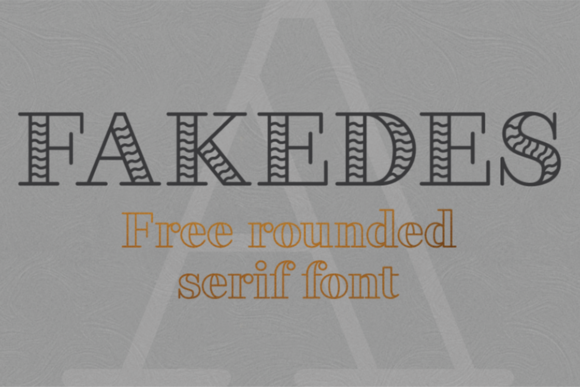
Fakedes is more than just a font—it’s a statement. This striking serif typeface brings a sense of elegance and sophistication to any project that needs a touch of class. With its two distinct styles—outlined and outlined bold—Fakedes offers flexibility for designers looking to create something that feels both refined and modern.
When Fakedes Shines in Real-World Projects
Whether you're working on a luxury brand, a high-end product label, or a sophisticated marketing campaign, Fakedes can make a difference. Its clean lines and balanced proportions make it ideal for situations where visual appeal matters. Think of it as the go-to font for anything that needs to feel exclusive without being overly complicated.
For example, in the fashion industry, Fakedes can be used for logo designs or editorial layouts. It adds a timeless quality that complements modern aesthetics. In the hospitality sector, it might appear on hotel signage or menu designs, offering a sense of refinement that guests expect from upscale venues.
How Different Industries Can Benefit From Fakedes
The versatility of Fakedes means it can work across multiple industries. In the world of publishing, it could be used for book covers or magazine headlines. Its strong presence makes it suitable for titles that need to command attention while still maintaining a level of grace.
In digital design, Fakedes can be a great choice for website headers or app interfaces. It brings a polished look that doesn’t sacrifice readability. For print media, such as brochures or business cards, it can add an air of professionalism that sets your work apart.
Even in personal projects, like wedding invitations or custom stationery, Fakedes can elevate the overall feel. It’s not just about the letters—it’s about the emotion they evoke.
Who Uses Fakedes and Why
Designers who value both style and functionality often turn to Fakedes. It’s popular among those who want to maintain a high standard of visual quality without overcomplicating their design choices. Whether you’re a freelance designer or part of a larger creative team, Fakedes can fit into your workflow seamlessly.
Business owners looking to build a brand identity may find Fakedes useful for creating a consistent look across all materials. Its bold variant can be especially effective for headings that need to stand out while still feeling cohesive with the rest of the design.
Students and emerging designers also appreciate Fakedes for its ease of use and professional appearance. It’s a font that allows for creativity without requiring advanced typographic knowledge.
Practical Considerations Before Using Fakedes
Before incorporating Fakedes into your design, consider the context. While it’s visually appealing, it may not be the best choice for long blocks of text. Its detailed strokes and serifs can become less readable when used in large amounts. That’s why it’s typically reserved for headings, logos, or short phrases.
Also, think about the medium. Fakedes works well on both screen and print, but the way it appears can vary slightly depending on the resolution or printing method. Testing it in different formats is always a good idea.
Another thing to keep in mind is licensing. Make sure you have the proper rights to use Fakedes in your specific project, especially if it’s for commercial purposes. Some fonts come with restrictions that could affect how you use them.
Strengths and Limitations of Fakedes
The main strength of Fakedes is its ability to convey luxury and sophistication. It’s a font that can instantly elevate the perceived value of a design. Its outlined styles add a unique texture that can make a piece stand out in a crowded market.
However, Fakedes isn’t a one-size-fits-all solution. It may not be the best option for casual or minimalist designs. If the goal is to create something modern and straightforward, a sans-serif font might be more appropriate. But for projects that aim to feel elegant and timeless, Fakedes is a strong contender.
Real-World Examples of Fakedes in Action
Consider a boutique coffee shop that wants to update its branding. Using Fakedes for the logo and menu headers could give it a more refined look that appeals to customers seeking a premium experience. Similarly, a high-end jewelry brand might use it on packaging to reinforce the idea of exclusivity.
Even in digital spaces, Fakedes can be effective. A portfolio website for a designer or artist might use it for the title section, creating a strong first impression. In social media posts, it can be used for captions or callouts to add a touch of class.
For event planners, Fakedes could be used on invitation designs or promotional materials. It helps set the tone for the occasion and ensures that the visual elements match the expected level of sophistication.
Final Thoughts on Fakedes
Fakedes is more than just a font—it’s a tool that can enhance the visual impact of your work. Its combination of elegance and versatility makes it a valuable asset for designers across various fields. Whether you’re aiming for a luxurious feel or simply want to add a touch of sophistication, Fakedes offers a compelling option that delivers results.